Annual Event Marketing Strategy: A Smarter Approach to Driving Tourism Year After Year
Annual events are among the biggest drivers of visitation for destination marketing organizations (DMOs). Whether a food festival, sporting event, holiday celebration, or seasonal attraction, events create opportunities to attract new visitors, generate overnight stays, and increase tourism revenue.
But successful event marketing starts long before ads go live.
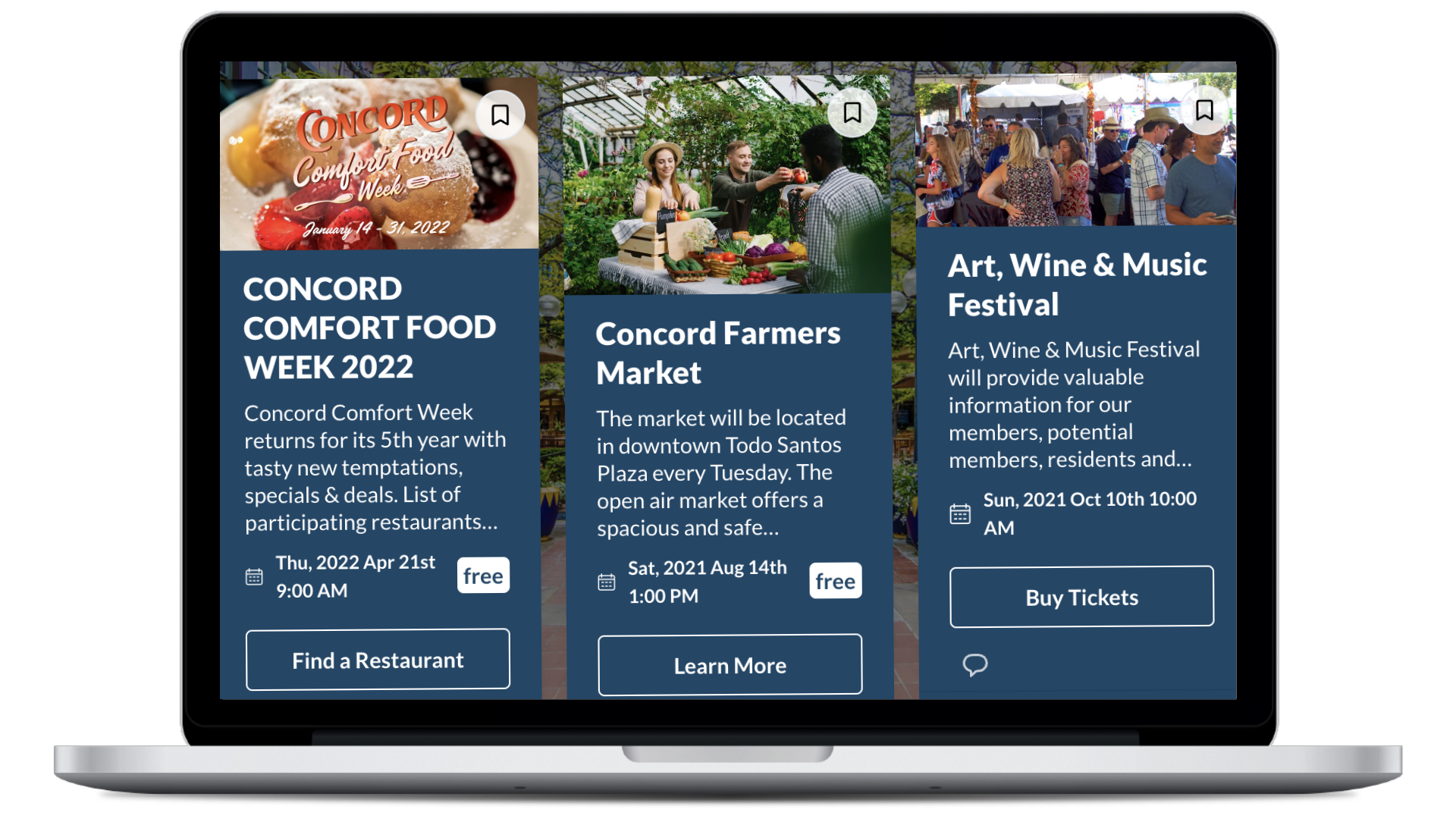
An optimized event landing page provides the foundation for organic visibility, while paid media strategically expands its reach to high-value audiences at the moments they're most likely to plan a trip. When these strategies work together—and are refined year after year—DMOs can maximize visitation and make the most of every marketing dollar.
Why Annual Events Should Never Start From Zero
Every event campaign leaves behind valuable data.
Instead of creating new campaigns each season, marketers should evaluate:
Which audiences converted best?
Which geographic markets generated the most visitors?
What messaging drove the highest click-through rates?
Which keywords produced bookings or website engagement?
Which landing pages kept visitors engaged?
Before optimizing paid campaigns, it's important to make sure your website is ready to support them. A well-maintained event landing page serves as the foundation for both organic visibility and paid media success.
Annual Event Pages Need Ongoing SEO Maintenance
Keeping an event page live doesn't mean leaving it untouched.
As annual events evolve, your website should evolve with them.
Each year, take time to:
Update event dates and schedules
Refresh event descriptions
Replace outdated photos
Add new attractions or entertainment
Update FAQs
Review internal links pointing to the event
Refresh metadata and page titles
Update event schema markup to reflect current dates and details
These updates signal freshness to search engines and AI-generated answers alike, while ensuring visitors always find accurate information. As AI tools increasingly summarize event details directly in response to a search, keeping schema and structured data current also improves the odds your page is the source they're pulling from.
Don't Forget About Old Event Pages
One of the most common SEO issues we see is outdated event pages accumulating over time.
Old URLs with expired dates can:
Create a poor user experience
Generate broken internal links
Waste crawl budget
Compete with current event pages in search results
Instead, create a regular process to review past event content.
Depending on your website strategy, you may choose to:
Update the existing page each year
Redirect outdated event pages
Remove pages that no longer provide value
Routine event content maintenance helps preserve SEO authority while keeping your website organized for both users and search engines.
Paid Media: Build on What Already Works
One of the biggest mistakes destinations make is rebuilding campaigns without analyzing historical performance. Instead, review last year's campaigns before making updates.
Areas to optimize include:
Match Your Budget to Traveler Behavior
Not every stage of an event campaign deserves the same advertising budget. Most annual events follow a predictable booking cycle.
For example:
Early Awareness
Introduce the event
Build remarketing audiences
Promote Save the Date messaging
Planning Phase
Increase investment
Target users researching destinations
Promote lodging packages
Peak Booking Window
This is often where budgets should be highest.
People are:
Booking hotels
Purchasing tickets
Finalizing itineraries
Successful event marketing isn't just about filling an event; it's about encouraging visitors to stay overnight, dine locally, shop downtown, and contribute to the local economy through lodging taxes and visitor spending.
Last-Minute Push
Shift messaging toward urgency:
Limited availability
Last chance
Weekend getaway
Instead of spreading budgets evenly across the campaign, aligning spend with traveler behavior often produces stronger returns.
This approach not only improves advertising efficiency, but also helps ensure your budget is working hardest when travelers are most likely to convert into overnight visitors.
Audience Targeting
Evaluate:
Geographic performance
Demographics
Interests
Previous website visitors
Engaged video viewers
By understanding which audiences are most likely to travel, book overnight accommodations, and explore beyond the event itself, DMOs can maximize the broader economic impact of every campaign.
Creative Performance
Compare ad creative across campaigns.
Ask:
Which headlines earned the highest CTR?
Which images or videos generated the most engagement?
Which calls-to-action produced conversions?
Don't assume new creative is always better—often the strongest performers simply need refreshing.
Search Keyword Optimization
Search trends evolve each year.
Review:
Search terms report
New keyword opportunities
Low-performing keywords
Seasonal trends
Adding emerging search terms while removing poor performers helps improve efficiency and Quality Scores.
Don't Overlook Nearby Markets
Not every successful tourism campaign needs to attract cross-country travelers.
Annual events often provide the perfect reason for people in neighboring counties or nearby metropolitan areas to make a day trip—or better yet, book an overnight stay.
These audiences typically:
require lower advertising investment
are familiar with your destination
can make travel decisions quickly
With the right messaging, an annual event becomes the reason someone crosses the county line instead of staying home for the weekend.
Paid media can identify these nearby audiences and deliver highly targeted messaging that encourages visitation without requiring long-distance travel.
Don't Let Last Year's Visitors Go Cold: The Power of Remarketing
One of the biggest advantages of marketing an annual event is that you already have an audience that has expressed interest. Anyone who visited your event page, clicked an ad, watched your promotional videos, or engaged with your social content last year has already taken the first step toward attending.
Rather than starting from scratch, these audiences can become the foundation of your next paid media campaign through remarketing.
For example, a DMO promoting an annual fall festival could build audiences of users who:
Visited the event landing page
Started purchasing tickets but didn't complete the process
Downloaded an event guide
Watched at least 50% of an event video
Engaged with ads promoting last year's event
These users are already familiar with the event, making them significantly more likely to engage again than someone seeing the event for the first time.
Remarketing campaigns often deliver:
Lower cost-per-clicks (CPC)
Higher click-through rates (CTR)
Lower cost-per-conversion
Higher return on ad spend (ROAS)
As the event approaches, these audiences can also be layered with urgency-focused messaging like "Tickets Selling Fast," "Hotel Availability is Limited," or "See What's New This Year."
Instead of treating last year's visitors as a completed campaign, plan ahead by building remarketing audiences during this year's event promotion. By implementing the proper tracking pixels and audience lists from the start, you'll have a valuable pool of engaged users ready to reconnect with when next year's campaign launches.
Measure Success Beyond Attendance
Looking beyond attendance helps DMOs understand not just how many people came, but how marketing efforts contributed to overnight stays, visitor engagement, and long-term destination awareness.
Evaluate metrics like:
Website traffic
Conversion rate
Return on ad spend
Cost per conversion
Organic search growth
Event landing page engagement
Assisted conversions
Geographic visitation trends
Final Thoughts: Let Paid Media and SEO Work Together
Annual events are more than recurring marketing campaigns—they're opportunities to increase visitation, generate tourism revenue, and build on past success.
The strongest event strategies don't treat SEO and paid media as separate efforts. An optimized event landing page creates a foundation for long-term organic visibility, while paid media expands your reach to high-intent audiences at the moments they're most likely to plan a trip. Together, they create a smarter marketing strategy that helps destinations attract more visitors, encourage overnight stays, and maximize tourism revenue.
Every campaign also provides valuable insights. By analyzing performance, maintaining event content, refining budgets, and optimizing your website year after year, destination marketing organizations can create campaigns that drive more overnight stays, strengthen local economies, and maximize the impact of every marketing dollar.
Ready to Make Next Year's Event Your Best Yet?
We help destination organizations turn annual events into year-over-year success stories through strategic paid media, SEO, and data-driven optimization.
From campaign planning and audience targeting to landing page optimization and performance analysis, we'll help you build on what's working and uncover new opportunities to increase visitation.
Start planning your next event campaign today.